 Listicle
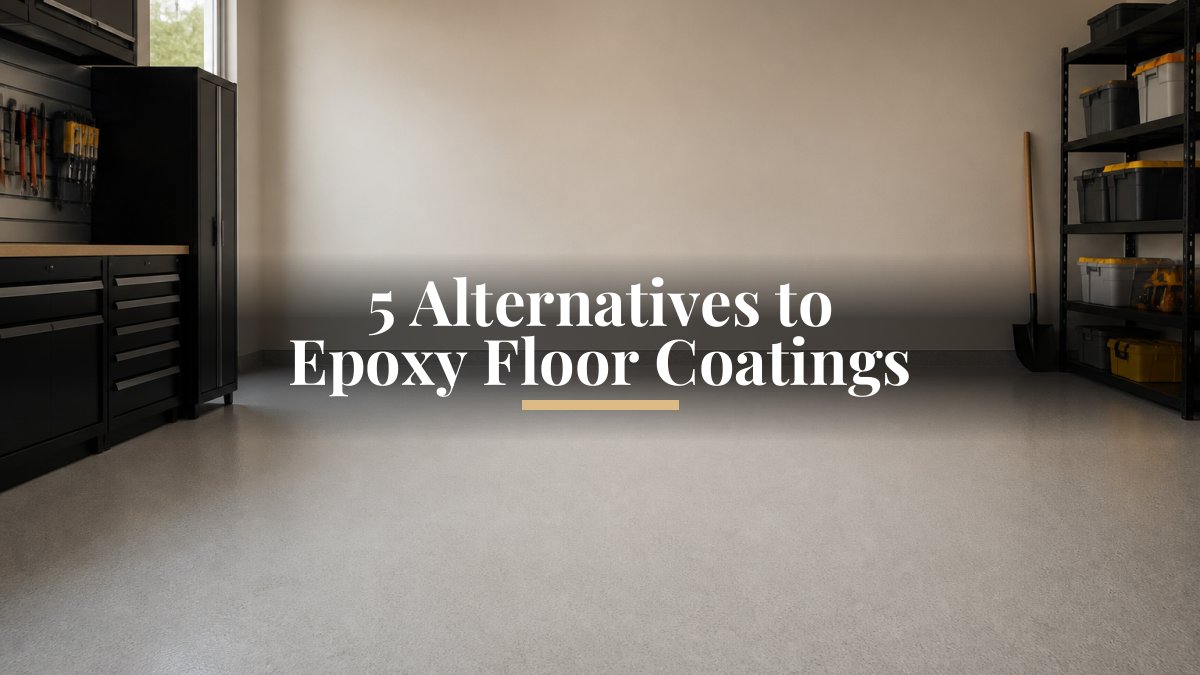
5 Alternatives to Epoxy Floor Coatings
Table of Contents
- Why Garage Owners Look Beyond Epoxy
- Polyaspartic Floor Coating Systems
- Polyurea Coatings and Performance
- Polished Concrete vs Epoxy Flooring
- Concrete Stain Flooring as an Alternative
- Garage Floor Paint Alternatives and Interlocking Tiles
- Comparison Table: Cost, Durability, and Installation
- Which Alternative Fits Your Garage
- Frequently Asked Questions
Last Updated: October 13, 2026
Why Garage Owners Look Beyond Epoxy
Epoxy has dominated the garage floor market for years, but it's not always the best solution. Homeowners and property managers increasingly explore alternatives to epoxy floor coatings for reasons ranging from cost to performance to installation speed.
Epoxy works well for many applications, but it has real limitations: it can yellow under UV exposure, take days to cure, and crack under extreme temperature swings. For some garages those trade-offs matter; for others they're deal-breakers.
At Concrete Renovations, we've worked with clients who rejected epoxy because they needed faster turnaround, better UV stability, or different durability profiles. Understanding your options means knowing what each alternative actually delivers in real-world performance and installation.
Below, we'll walk through the five most viable alternatives to epoxy floor coatings, covering performance, installation, and which situations favor each.
Polyaspartic Floor Coating Systems
Polyaspartic coatings are often positioned as the premium epoxy alternative, and for good reason: they cure within 24 hours, so your garage is usable almost immediately.
Polyaspartic systems retain color better under UV exposure than standard epoxy, resisting the yellowing that plagues older installations. They also handle temperature fluctuations better, flexing rather than becoming brittle, a real advantage in climates with seasonal swings.
The trade-off is cost. Polyaspartic systems run higher than basic epoxy, though the faster cure time can offset installation labor costs if you factor in reduced downtime.
How Polyaspartic Compares with Epoxy
The core differences come down to cure time, UV stability, and flexibility. Epoxy requires 5-7 days before you can park on it; polyaspartic gets you back in use within a day. Epoxy yellows noticeably over 3-5 years in direct sunlight; polyaspartic holds color far longer. Epoxy grows brittle with age; polyaspartic stays flexible, reducing cracking from concrete movement.
Installation complexity is similar: both require proper surface preparation and concrete grinding. The main difference is patience, or the lack of it required with polyaspartic.
Polyurea Coatings and Performance
Polyurea sits at the top of the coating hierarchy for garage floors. Where epoxy and polyaspartic are built on resin backbones, polyurea cures through an isocyanate-and-amine chemical reaction rather than solvent evaporation, a single difference that drives most of its performance advantages.
How the Chemistry Translates to Performance
Because polyurea cures through a moisture-triggered reaction rather than evaporation, thicker coats don't extend cure time the way they do with epoxy. A typical professional installation is ready for foot traffic within hours, with vehicle traffic often allowed the same day or the next, depending on product and ambient conditions.
The cured film is highly elastic, flexing with concrete movement instead of cracking, important where slabs expand and contract seasonally. It resists oils, gasoline, antifreeze, road salt, and many solvents, holds up to abrasion from tires and dropped tools, and offers excellent UV stability for strong color retention.
Surface Preparation and Installation Realities
Polyurea is not forgiving of poor prep. The concrete must be mechanically profiled, typically by diamond grinding or shot blasting, to a CSP 2 to CSP 3 finish so the coating can key into the slab.
Existing cracks, spalls, and control joints must be addressed first: cracks are routed out and filled with flexible repair material, and control joints are filled or honored depending on design. Skipping these steps is the most common cause of premature failure.
Application requires specialized plural-component spray equipment that mixes the two parts at the gun, this is not a roll-on product. Working time is short, and a mixing-ratio or gun-setup mistake can ruin an entire batch, which is why polyurea is almost always installed by trained crews.
Maintenance, Repair, and Lifespan
Routine maintenance is simple: sweep or blow out debris, damp-mop with a mild cleaner, and address spills promptly. The non-porous surface means most spills wipe up without staining.
Repairability is one of polyurea's quieter advantages. If a section is damaged by a dropped tool or a chemical spill, the area can be cleaned, abraded, and re-coated with a compatible polyurea patch.
A properly installed polyurea floor in a residential or light-commercial garage typically lasts 15 to 25 years, with heavy commercial use at the lower end and light residential use at the upper end. That long horizon makes the higher upfront cost easier to justify on a cost-per-year basis.
Climate and Slab Suitability
Once cured, polyurea performs well across a wide temperature range and tolerates freeze-thaw cycles better than rigid coatings. Installation, however, is temperature-sensitive: most products need ambient and slab temperatures above 40°F and below roughly 90°F, though exact ranges vary by manufacturer. In cold climates, installers may need to heat the space or wait for a warm spell.
Slab condition matters as much as climate. A slab with active moisture issues, widespread spalling, or structural cracking is a poor candidate for any coating until corrected. A moisture test and close slab inspection are the first steps in any honest polyurea quote.
How Polyurea Compares with Epoxy and Polyaspartic
Against epoxy, polyurea wins on cure speed, flexibility, UV stability, and chemical resistance. Against polyaspartic, the gap is narrower: polyaspartic also cures fast and resists UV, but polyurea edges it out on elasticity and chemical resistance. The trade-off is cost and installation complexity, polyurea requires more specialized equipment and a more experienced crew.
For a garage that sees daily vehicle traffic, occasional chemical spills, and temperature swings, polyurea is a defensible long-term investment. For a light-use residential garage, polyaspartic often delivers most of the benefit at a lower price point.
Polished Concrete vs Epoxy Flooring
Polished concrete takes a different approach: instead of adding a coating, you grind and seal the concrete itself, producing a smooth, glossy surface that reveals the concrete's natural aggregate and color variations.
The appeal is aesthetic and practical.
Durability is solid but different from coatings. Polished concrete resists staining and wear, but it can scratch under heavy abrasion, gets slippery when wet, and lacks the chemical resistance of coatings.
Installation involves grinding the surface progressively finer, then applying a penetrating sealer. The process takes 2-3 days, and the result is permanent, no re-coating every few years, which appeals to many homeowners.
Concrete Stain Flooring as an Alternative
Concrete stain flooring offers the lowest cost entry point among these alternatives. Stains penetrate the surface and create color that won't peel or chip because it's chemically bonded to the concrete itself.
The aesthetic range is wide: acid stains create mottled, natural-looking colors, while water-based stains deliver more uniform, controlled tones, decorative effects coatings can't replicate.
Durability is moderate. Stained concrete resists fading better than paint but not as well as sealed coatings, and it's porous, so spills can stain unless you apply a sealer.
For garages where aesthetics matter but traffic is light, stain flooring works well. For commercial or heavy-use residential garages, the durability falls short of coatings.
Garage Floor Paint Alternatives and Interlocking Tiles
When budget is tight or you want flexibility, two non-coating options emerge: paint-based coatings and interlocking tile systems.
Paint-Based Coatings
Garage floor paint is the budget option: affordable, widely available, and simple enough for many homeowners to apply themselves.
The trade-off is durability. Paint sits on the surface rather than bonding chemically like epoxy or polyaspartic. It peels, chips, and wears under tire traffic. You're typically re-painting every 2-3 years in active garages. For storage-only spaces or light use, paint stretches further.
Performance against chemicals and spills is poor. Oil and gasoline break down paint quickly. Moisture seepage causes bubbling and peeling. Temperature swings accelerate failure.
Paint makes sense as a temporary solution or for spaces where you're not ready to invest in a permanent coating.
Interlocking Tile Systems
Interlocking tiles offer modularity and easy replacement. You lay them directly on the concrete, no grinding, curing, or fumes, and if a tile cracks or stains, you replace just that tile.
Cost is moderate, with basic tiles running roughly $3 per square foot and premium designs costing more. Installation is DIY-friendly, which saves on labor.
The downsides: tiles can shift under heavy loads if the base isn't perfectly level, gaps trap dirt and moisture, and edges can lift or crack under tire pressure. They work better for storage areas or light-duty spaces than for vehicle traffic.
Comparison Table: Cost, Durability, and Installation
| Coating Type | Cure Time | UV Stability | Durability | Installation Complexity | Best For |
|---|---|---|---|---|---|
| Polyaspartic | 24 hours | Excellent | 10-15 years | Moderate | Fast turnaround, commercial use |
| Polyurea | 1 day | Excellent | 15-25 years | High | Heavy traffic, extreme durability |
| Polished Concrete | 2-3 days | Good | 10+ years | Moderate | Aesthetic priority, light use |
| Concrete Stain | 24-48 hours | Fair | 5-10 years | Low | Budget-conscious, decorative appeal |
| Garage Floor Paint | 24-48 hours | Poor | 2-3 years | Very Low | Temporary solution, storage areas |
| Interlocking Tiles | Immediate | Good | 10+ years | Very Low | DIY preference, modular flexibility |
Which Alternative Fits Your Garage
Choosing the right alternative depends on how you use the space, your timeline, and your budget.
Heavy commercial use or daily vehicle traffic? Polyurea delivers the durability and chemical resistance you need, and its extended service life justifies the higher cost.
Fast turnaround critical? Both polyaspartic and polyurea cure within 24 hours, but polyaspartic costs less, the practical choice for commercial spaces that can't afford downtime.
You want permanent, low-maintenance results? Polished concrete requires no re-coating and resists most staining. The trade-off is reduced chemical resistance and potential slipperiness.
The alternatives to epoxy floor coatings each solve different problems.
For garages requiring professional-grade durability and fast installation, Concrete Renovations specializes in polyaspartic and polyurea coating systems with certified application and a one-year warranty on all workmanship.
Frequently Asked Questions
What is the best alternative to epoxy floor coating?
The best alternative depends on your priorities. Polyaspartic coatings cure within 24 hours and resist UV fading, making them ideal for busy households. Polyurea offers superior durability for heavy traffic and lasts 15-25 years. Polished concrete provides a sleek, low-maintenance look without coating chemicals. Concrete stains deliver decorative color with lower upfront costs. For commercial spaces with heavy equipment, polyurea or hybrid systems typically outperform other alternatives to epoxy floor coatings.
Is polyaspartic better than epoxy for garage floors?
Polyaspartic has distinct advantages over epoxy: it cures in 24 hours versus 3-7 days for epoxy, retains color better in sunlight, and offers comparable durability. However, it typically costs more upfront. Epoxy remains a solid choice for light-duty residential garages on a tighter budget. The choice depends on your timeline, UV exposure, and willingness to invest in faster cure times and superior color retention.
What is the difference between polyurea and polyaspartic floor coatings?
Polyurea cures faster (often within hours) and handles extreme temperatures better, making it ideal for commercial spaces with heavy equipment traffic. Polyaspartic cures within 24 hours and offers better UV stability for residential garages. Polyurea lasts 15-25 years. Both outperform standard epoxy in durability and flexibility, but polyurea edges ahead in harsh industrial environments.
Can polished concrete replace an epoxy floor coating?
Yes, polished concrete is a viable alternative to epoxy for homeowners seeking a decorative, low-maintenance finish. It requires no topcoat, resists staining better than bare concrete, and develops a natural sheen that improves with age. However, it offers less impact resistance than epoxy or polyaspartic coatings and requires professional grinding and polishing. It works best in garages with light to moderate vehicle traffic and low chemical exposure.
How long do polyaspartic floor coatings take to cure?
Polyaspartic floor coatings typically cure within 24 hours, allowing you to park vehicles and resume normal garage use the next day. This is significantly faster than epoxy, which requires 3-7 days of curing. Full hardness and chemical resistance develop within the first 24 hours, making polyaspartic ideal for homeowners who cannot afford extended downtime. Always follow the installer's specific cure-time recommendations, as humidity and temperature affect final results.